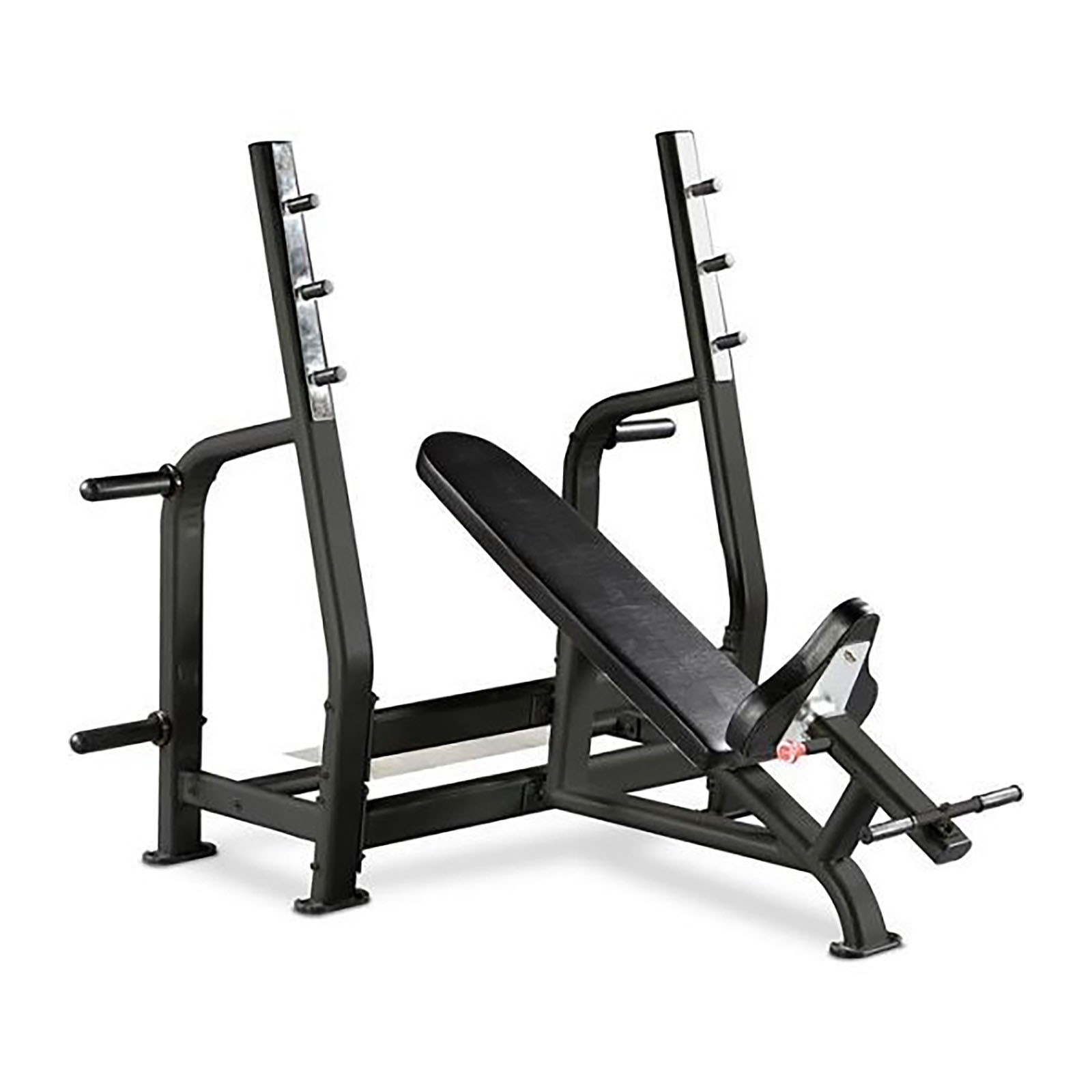
When it comes to weightlifting and bodybuilding, the incline bench press is a popular exercise that targets the upper chest muscles. It involves lying on an inclined bench and lifting a barbell or dumbbells above the chest. However, one of the most common questions asked by beginners and even experienced lifters is, how much incline is needed for the incline bench press? In this article, we will explore the answer to this question in detail.
The Importance of Incline Bench Press
The incline bench press is an essential exercise for anyone looking to build a well-defined chest. It targets the upper chest muscles, which are often neglected in traditional bench press exercises. The incline bench press also helps to improve shoulder stability, increase upper body strength, and prevent muscle imbalances.

What is the Standard Incline?
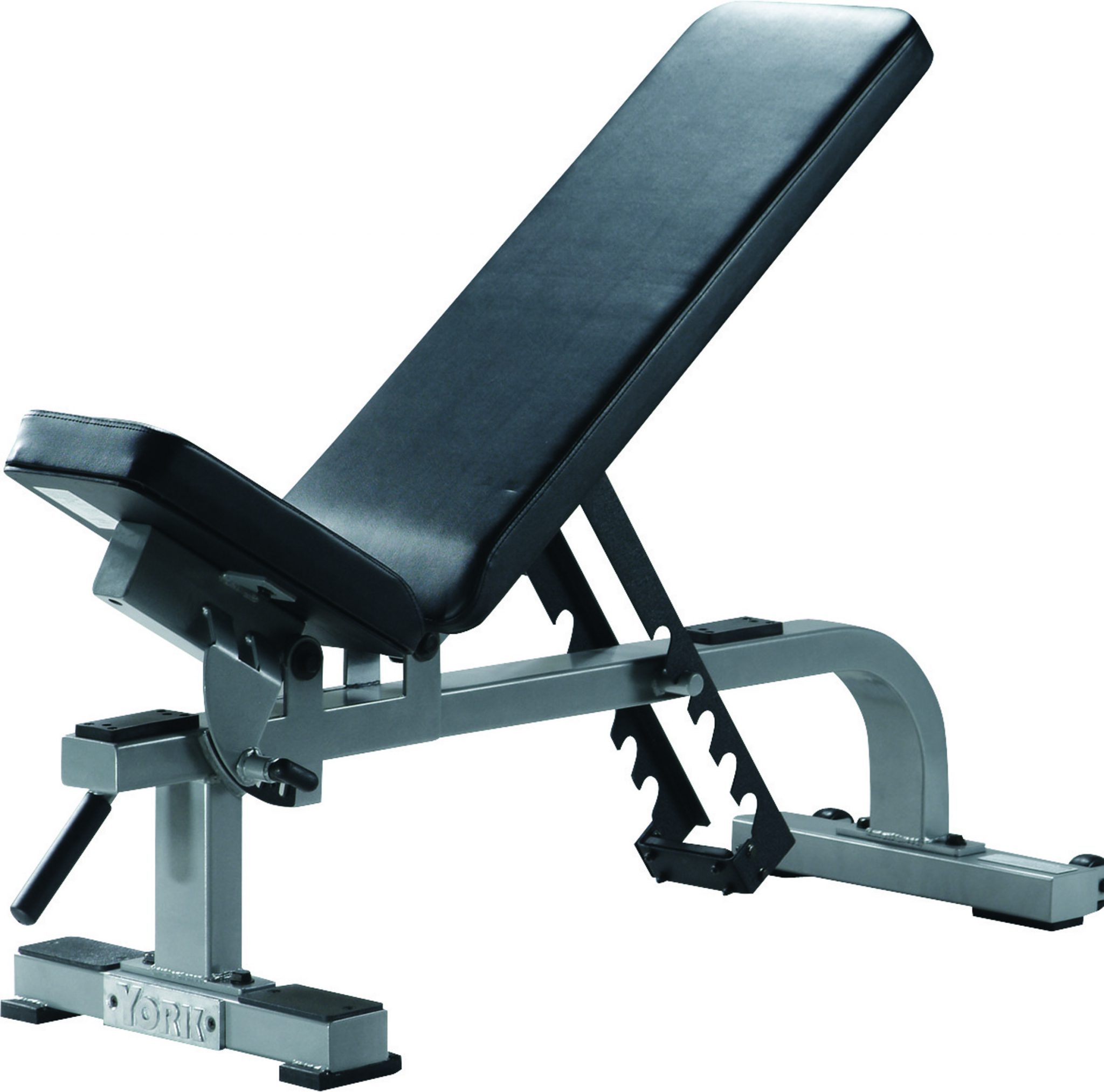
The standard incline for the incline bench press is between 30 to 45 degrees. This angle targets the upper chest muscles and provides maximum activation of the muscle fibers. However, it is essential to note that the ideal incline angle may vary from person to person, depending on their body type, fitness level, and training goals.
Different Incline Angles
There are several different incline angles that can be used for the incline bench press, depending on the specific muscle group being targeted. Here are some of the most common incline angles:
Low Incline (15-30 Degrees)
The low incline is the least steep angle and targets the lower portion of the upper chest muscles. It is an excellent option for beginners who are looking to build a foundation of strength before progressing to a more challenging incline angle.

Moderate Incline (30-45 Degrees)
The moderate incline is the standard incline angle and targets the upper chest muscles. It is the ideal angle for most lifters, regardless of their experience level or training goals.

High Incline (45-60 Degrees)
The high incline is the steepest angle and targets the shoulders and upper chest muscles. It is an excellent option for experienced lifters who are looking to add variety to their workout routine and challenge themselves.

How to Determine the Right Incline Angle?
Choosing the right incline angle for the incline bench press is essential to maximize its benefits. Here are some factors to consider when determining the right incline angle:
Training Goals
If your training goal is to target the upper chest muscles, then the standard incline angle is the best option. However, if you are looking to target other muscle groups, such as the shoulders or lower chest muscles, then a different incline angle may be more appropriate.
Body Type
Your body type can also influence the right incline angle for the incline bench press. If you have a longer torso, then a higher incline angle may be more effective. On the other hand, if you have a shorter torso, then a lower incline angle may be better.
Experience Level
Beginners should start with a lower incline angle and gradually progress to a higher angle as they gain strength and experience. Experienced lifters can experiment with different incline angles to add variety to their workout routine.
Conclusion
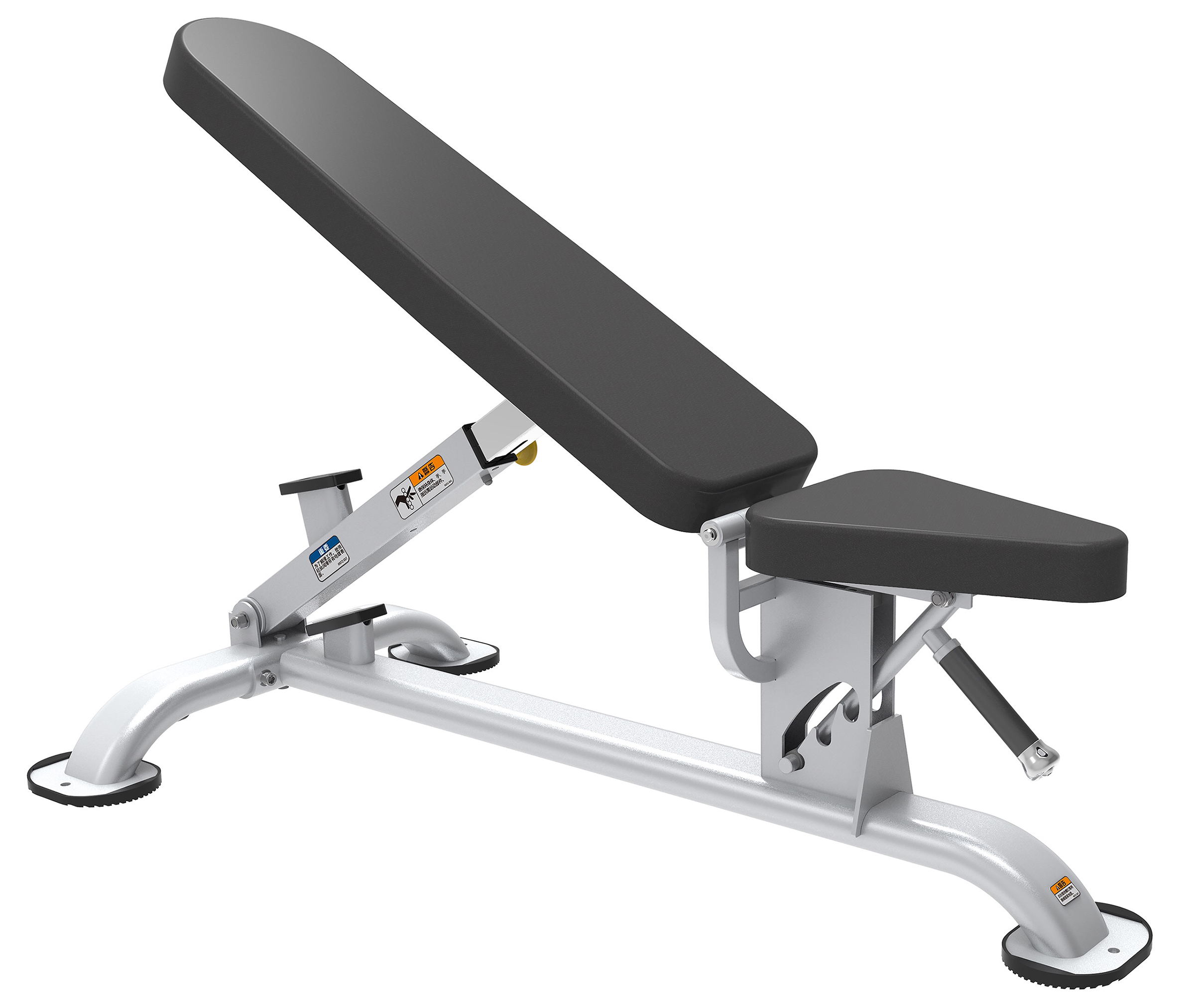
The incline bench press is a highly effective exercise for building upper chest muscles and improving overall upper body strength. While the standard incline angle is between 30 to 45 degrees, the right incline angle may vary depending on your body type, experience level, and training goals. Experiment with different incline angles to find the one that works best for you.