Walking is one of the easiest and most effective ways to improve your physical health. It can help you lose weight, reduce your risk of chronic diseases, and improve your mental well-being. However, if you want to take your walking routine to the next level, you may want to consider using resistance bands. In this article, we will discuss the benefits of using resistance bands for walking, how to use them properly, and some tips for getting the most out of your workout.
What Are Resistance Bands?

Resistance bands are elastic bands that come in various sizes, strengths, and shapes. They are a popular tool in the fitness industry because they are lightweight, portable, and versatile. Resistance bands can be used for a variety of exercises, such as strength training, stretching, and rehabilitation. They provide resistance to your muscles, making them work harder and increasing the effectiveness of your workout.
Benefits of Using Resistance Bands for Walking
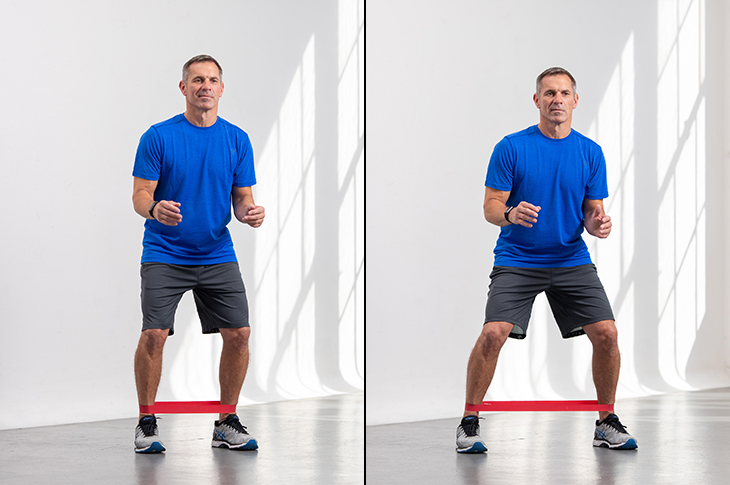
Using resistance bands for walking can provide many benefits, including:
- Increased calorie burn: Resistance bands make your muscles work harder, which can increase your calorie burn during your walk.
- Improved muscle strength: Resistance bands can help you build and tone your muscles, particularly in your legs and glutes.
- Enhanced balance and stability: Resistance bands can improve your balance and stability by forcing your muscles to work harder to maintain proper form.
- Reduced impact on joints: Resistance bands can reduce the impact on your joints during your walk, making it a low-impact exercise option.
How to Use Resistance Bands for Walking

Using resistance bands for walking is simple and easy. Here's how:
- Choose the right resistance band: Select a resistance band that matches your fitness level and your goals. You can choose from different colors, which represent different levels of resistance.
- Attach the resistance band: Attach the resistance band to your ankles, just above your ankle bones. Make sure the band is secure and not too tight or too loose.
- Start walking: Begin your walk as you normally would. The resistance band will provide added resistance to your leg muscles, making them work harder.
- Adjust the resistance: If you find the resistance is too easy or too hard, you can adjust it by choosing a different color band or changing the placement of the band.
- Stretch after your walk: After your walk, take some time to stretch your leg muscles to prevent injury and improve flexibility.
Tips for Getting the Most Out of Your Resistance Band Walking Workout
/legs-of-young-woman-training-in-park--stretching-resistance-band-667607855-5a32886d9802070037cf144f.jpg)
If you want to get the most out of your resistance band walking workout, here are some tips to keep in mind:
- Start slowly: If you're new to using resistance bands for walking, start with a low-resistance band and gradually work your way up to higher levels.
- Focus on proper form: Make sure you maintain proper form during your walk, keeping your back straight, shoulders relaxed, and core engaged.
- Combine with other exercises: Resistance band walking can be combined with other exercises, such as lunges, squats, and leg lifts, to create a more comprehensive workout.
- Wear comfortable shoes: Make sure you wear comfortable, supportive shoes that provide good traction to avoid slipping or tripping.
- Stay hydrated: Drink plenty of water before, during, and after your walk to stay hydrated.
Conclusion
Resistance bands can add a new dimension to your walking routine, helping you achieve your fitness goals more quickly and effectively. By using resistance bands for walking, you can increase your calorie burn, build muscle strength, improve balance and stability, and reduce the impact on your joints. Just remember to choose the right resistance band, use proper form, and stay hydrated to get the most out of your workout.