When it comes to working out, there are many exercises that can help you achieve your fitness goals. One of the most effective exercises for building shoulder muscles is the lateral raise. But which is better, the seated lateral raise or the standing lateral raise? In this article, we will compare the two exercises and help you decide which one is right for you.
Seated Lateral Raise

The seated lateral raise is an exercise that targets the lateral head of the deltoid muscle. To perform this exercise, sit on a bench or chair with your feet flat on the floor. Hold a dumbbell in each hand with your arms at your sides and your palms facing your body. Slowly raise your arms to the sides until they are parallel to the floor, then lower them back down to your sides. Repeat this movement for the desired number of repetitions.
The seated lateral raise is a great exercise for people who have lower back problems or balance issues. By sitting down, you can focus on isolating your shoulder muscles without worrying about maintaining your balance. Additionally, this exercise can be performed with heavier weights than the standing lateral raise, which can lead to greater muscle growth.
Standing Lateral Raise

The standing lateral raise is an exercise that also targets the lateral head of the deltoid muscle. To perform this exercise, stand with your feet shoulder-width apart and hold a dumbbell in each hand with your arms at your sides and your palms facing your body. Slowly raise your arms to the sides until they are parallel to the floor, then lower them back down to your sides. Repeat this movement for the desired number of repetitions.
The standing lateral raise is a great exercise for people who want to work on their balance and core stability. By standing up, you engage your core muscles to maintain your balance throughout the movement. Additionally, this exercise can be performed with lighter weights than the seated lateral raise, which can lead to better form and less risk of injury.
Which is Better?
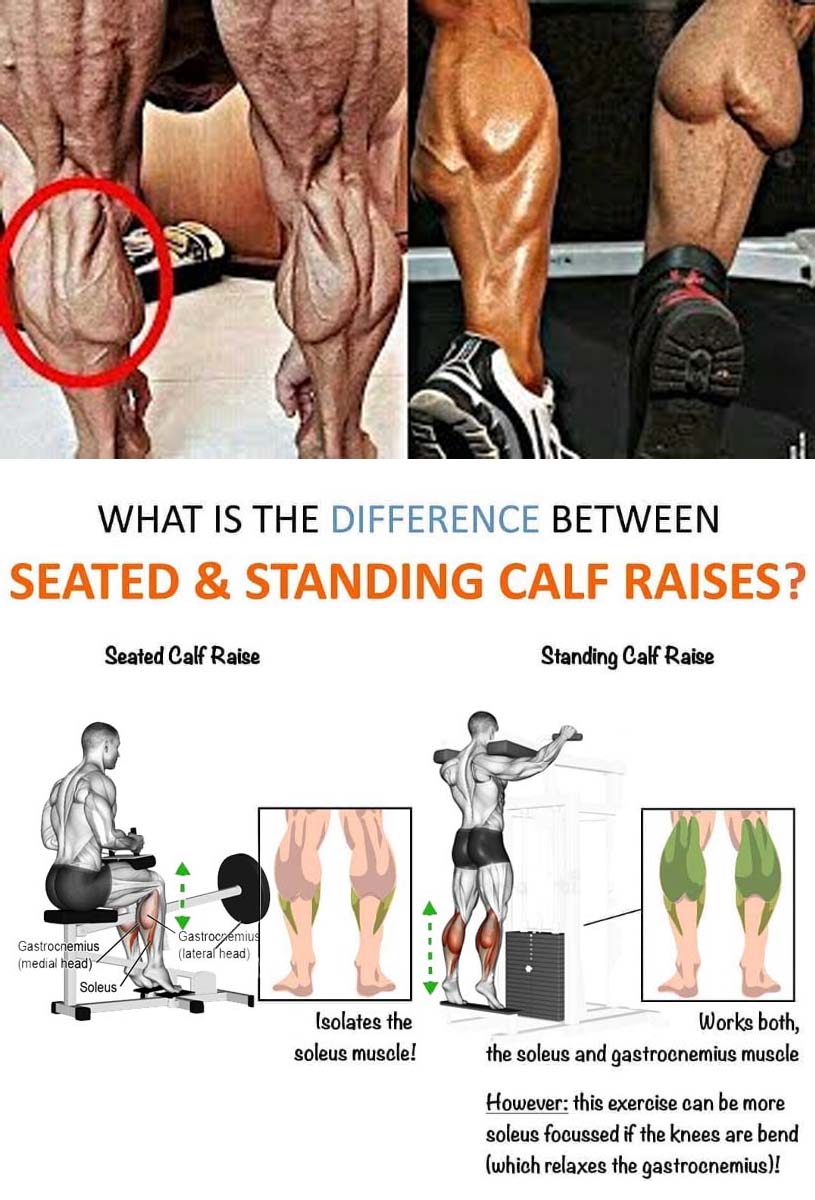
So, which is better, the seated lateral raise or the standing lateral raise? The answer is that it depends on your goals and physical limitations. If you have lower back problems or balance issues, the seated lateral raise may be a better option for you. On the other hand, if you want to work on your balance and core stability, the standing lateral raise may be a better choice.
Ultimately, both exercises are effective for building shoulder muscles and can be incorporated into your workout routine. It's important to listen to your body and choose the exercise that feels comfortable and safe for you.
Tips for Performing Lateral Raises

Whether you choose the seated or standing lateral raise, there are some tips you can follow to ensure you are performing the exercise correctly:
- Start with a light weight and gradually increase the weight as you get stronger.
- Keep your elbows slightly bent throughout the movement to reduce stress on your joints.
- Focus on lifting the weight with your shoulder muscles, not with your arms.
- Avoid swinging the weights or using momentum to lift them.
- Breathe out as you lift the weights and breathe in as you lower them.
Conclusion
The seated lateral raise and the standing lateral raise are both effective exercises for building shoulder muscles. By understanding the differences between the two exercises, you can choose the one that is best for your goals and physical limitations. Remember to start with a light weight and focus on proper form to avoid injury and maximize your results.