
If you're looking to strengthen your shoulders and upper back, rear delt fly dumbbells are an excellent exercise to add to your routine. This exercise specifically targets your rear deltoids, which are the muscles responsible for pulling your arms backward. In this article, we'll dive into everything you need to know about performing rear delt fly dumbbells.
How to Perform Rear Delt Fly Dumbbells
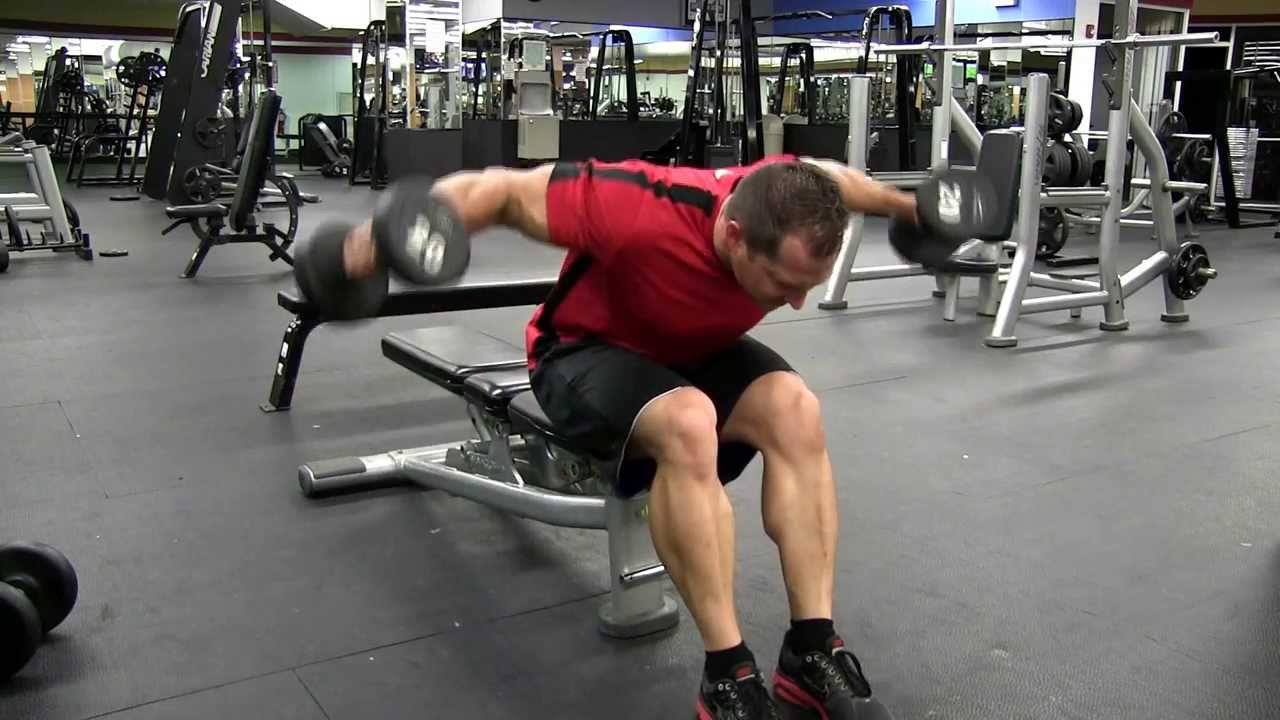
Start by standing with your feet shoulder-width apart and your knees slightly bent. Hold a dumbbell in each hand with your palms facing inward towards your body. Bend forward at the waist, keeping your back straight, and let your arms hang down towards the floor. In this starting position, your arms should be fully extended, and your elbows should have a slight bend.
From here, lift your arms straight out to the sides, keeping your elbows slightly bent. Make sure to lift your arms using your shoulder blade muscles, rather than your biceps. Continue lifting until your arms are parallel with your shoulders.
Pause briefly at the top of the movement, then slowly lower the dumbbells back down to the starting position. Repeat for the desired number of reps.
Variations of Rear Delt Fly Dumbbells
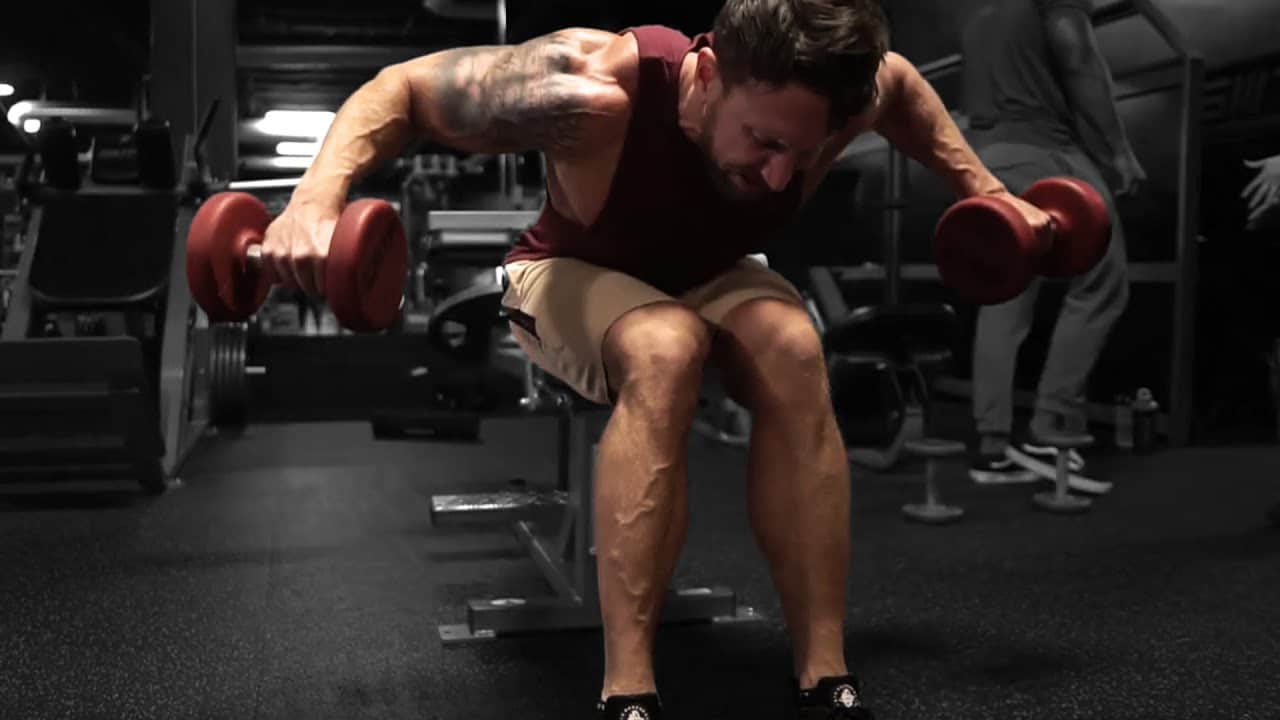
While the basic rear delt fly dumbbell exercise is effective, there are several variations you can try to mix things up and challenge your muscles in different ways.
Standing Rear Delt Fly: This variation is similar to the basic exercise, but you'll perform it while standing upright instead of bending forward at the waist. This variation can be more challenging because it requires you to use your core muscles to maintain your balance.
Bent Over Rear Delt Fly: This variation is similar to the basic exercise, but you'll perform it while lying face down on an incline bench. This variation allows you to isolate your rear deltoids even more effectively.
Seated Rear Delt Fly: This variation is similar to the basic exercise, but you'll perform it while seated on a bench. This variation can be more comfortable for people with lower back pain or balance issues.
Tips for Performing Rear Delt Fly Dumbbells
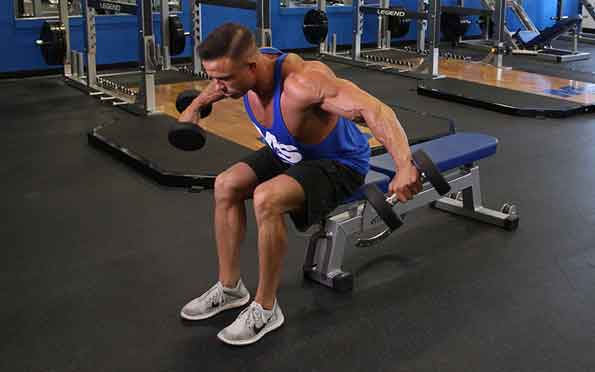
Here are some tips to keep in mind when performing rear delt fly dumbbells:
Focus on form: Make sure you're using proper form throughout the exercise. Keep your back straight, your core engaged, and your elbows slightly bent.
Start with light weights: If you're new to this exercise, start with lighter weights to ensure you're using proper form and avoid injury. You can gradually increase the weight as you become more comfortable with the exercise.
Breathe properly: Inhale as you lower the dumbbells, and exhale as you lift them back up. This will help ensure you're using proper form and getting the most out of the exercise.
Don't overdo it: As with any exercise, it's essential to listen to your body and avoid overdoing it. If you experience pain or discomfort, stop the exercise and consult with a healthcare professional.
Benefits of Rear Delt Fly Dumbbells

Rear delt fly dumbbells offer several benefits for your shoulders and upper back, including:
Improved posture: Strengthening your rear deltoids can help improve your posture and reduce the risk of hunching or slouching.
Reduced risk of injury: Strengthening your shoulder muscles can help reduce the risk of injury during other exercises or daily activities that involve lifting or reaching.
Increased strength: Rear delt fly dumbbells can help improve your overall upper body strength, making it easier to perform other exercises and daily activities.
Conclusion
Rear delt fly dumbbells are an effective exercise to add to your upper body workout routine. By following proper form and gradually increasing weight as you become more comfortable with the exercise, you can strengthen your rear deltoids and enjoy the many benefits that come with it.