
Looking for a killer core workout that will leave your abs burning? Look no further than hanging weighted leg raises. This challenging exercise targets your lower abs, hip flexors, and obliques, helping you build a strong and defined midsection.
How to Do Hanging Weighted Leg Raises
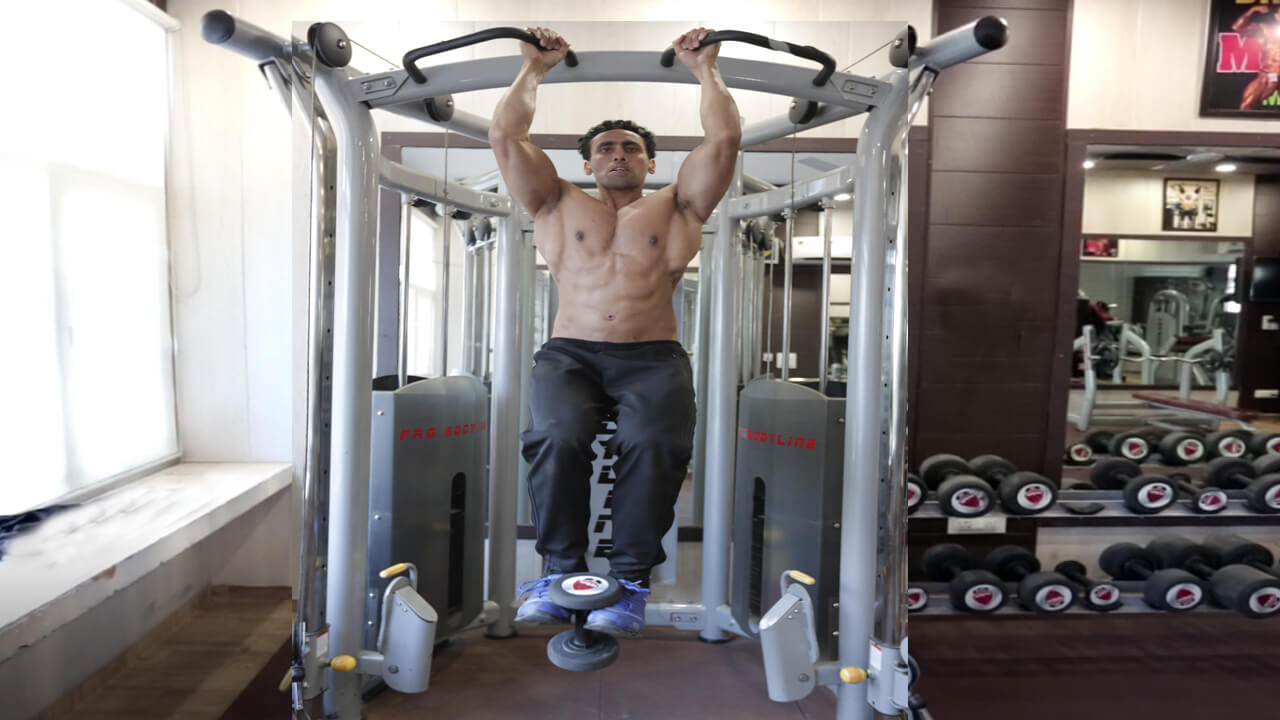
To perform hanging weighted leg raises, you'll need a pull-up bar and a weight plate or dumbbell. Here's how to do it:
- Hang from the pull-up bar with your arms fully extended and your feet off the ground.
- Hold the weight plate or dumbbell between your feet, squeezing your legs together to keep it in place.
- Keeping your legs straight, raise them up until they are parallel to the floor.
- Lower your legs back down to the starting position, keeping them under control the entire time.
- Repeat for 8-12 reps.
Variations of Hanging Weighted Leg Raises

Once you've mastered the basic hanging weighted leg raise, there are several variations you can try to keep your core workouts challenging and interesting:
- Knee Raises: Instead of raising your legs straight out in front of you, bend your knees and bring them up toward your chest.
- Side Raises: Instead of raising your legs straight out in front of you, raise them out to the side to target your obliques.
- Weighted Knee Raises: Hold the weight plate or dumbbell between your knees instead of your feet.
Tips for Maximizing Your Hanging Weighted Leg Raises

Ready to take your hanging weighted leg raises to the next level? Keep these tips in mind:
- Engage your core: Throughout the exercise, focus on squeezing your abs and keeping your core tight.
- Control your movement: Don't swing or use momentum to lift your legs. Instead, focus on slow and controlled movements.
- Start with light weights: If you're new to hanging weighted leg raises, start with a light weight to ensure you can maintain proper form.
- Gradually increase weight: As you get stronger, gradually increase the weight you're using to keep the exercise challenging.
- Combine with other core exercises: Hanging weighted leg raises are just one exercise in a well-rounded core workout. Combine them with other moves like planks and crunches for a complete routine.
Incorporating Hanging Weighted Leg Raises into Your Workout

So, how often should you be doing hanging weighted leg raises? It depends on your fitness goals and overall workout routine. However, as a general guideline, aim to incorporate them into your workouts 1-2 times per week.
Here's an example of how you might incorporate hanging weighted leg raises into a full-body workout:
- Warm-up: 5-10 minutes of light cardio (e.g. jogging, jumping jacks, etc.)
- Strength training: 3 sets of hanging weighted leg raises (8-12 reps), followed by 3 sets of squats, bench presses, and rows.
- Cardio: 20-30 minutes of moderate-intensity cardio (e.g. cycling, running, etc.)
- Cool-down: 5-10 minutes of stretching
The Benefits of Hanging Weighted Leg Raises

Incorporating hanging weighted leg raises into your workout routine can offer a host of benefits, including:
- Improved core strength: Hanging weighted leg raises target your abs, hip flexors, and obliques, helping you build a strong and defined midsection.
- Better posture: By strengthening your core, you can improve your overall posture and reduce the risk of back pain or injury.
- Increased flexibility: As you perform hanging weighted leg raises, you'll be stretching your hip flexors and hamstrings, improving your overall flexibility.
- Burn calories: As with any challenging exercise, hanging weighted leg raises can help you burn calories and improve your overall fitness.
Conclusion
Hanging weighted leg raises are a challenging but effective exercise for anyone looking to build a strong and defined core. By incorporating them into your workout routine and following the tips outlined above, you can take your core workouts to the next level and achieve your fitness goals in no time.